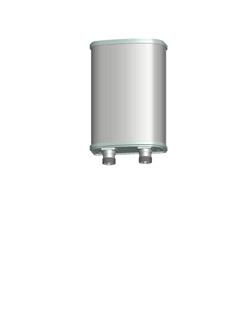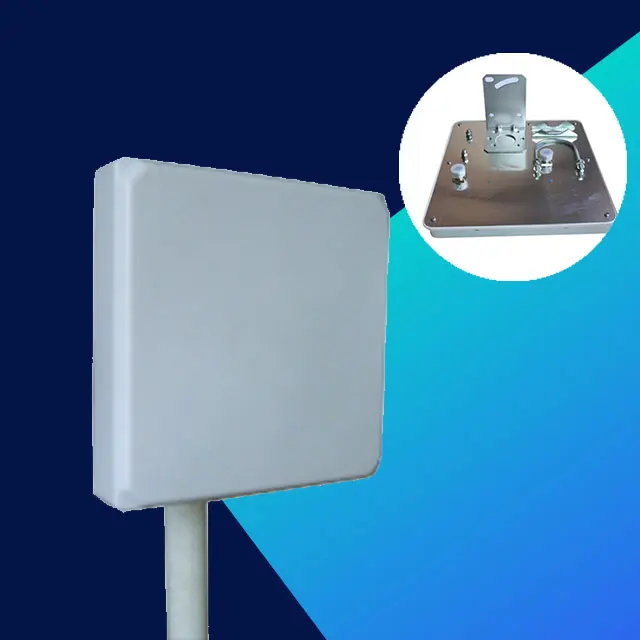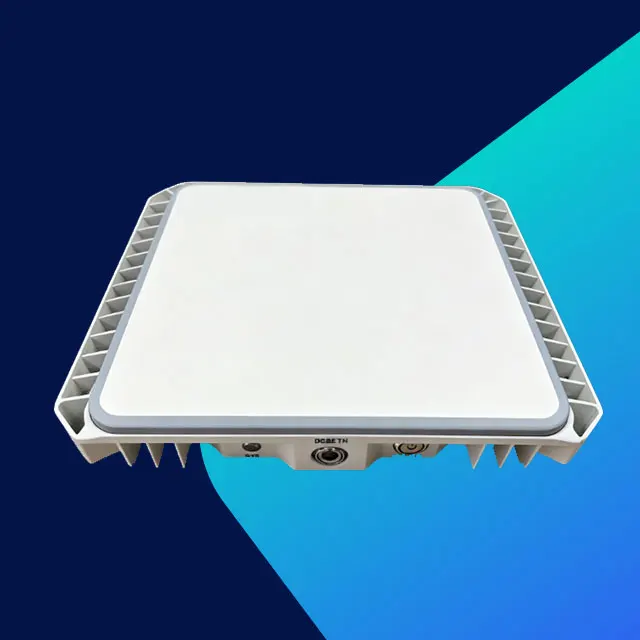
In some cases wireless bridges can be subject to interference or loss of connection which could lead to network failure. One common issue is interference from other electronic signals or physical barriers, such as walls or buildings. One thing you might want to check is the channel, on the wireless bridge, some others devices in your place may be interfering. You can also move the wireless bridge to get a better line of sight between the two networks.</p>
Indeed, deploying a wireless bridge in network environments has advantage for businesses/companies and any institution. The main advantage here, is the flexibility that it gives you to connect remote sites without physically having to mangle cables. Wireless bridges are cheap to establish, and easy to setup in different situations, making them particularly convenient for ad hoc or locations where wire pulls are impractical.</p>
Wireless bridges can also enhance network performance while featuring a network infrastructure base with an extended range. This makes it possible to interconnect the different areas of a building or even buildings on campus. With a wireless bridge, businesses can increase productivity and the sharing of files between employees who are in various spaces.</p>
These days, wireless bridges are a fundamental component in the structure of networking setups as they allow separate networks to connect without hard wiring. With the knowledge of common problems and how to solve them, companies can ensure that they have the best possible wireless bridge connection for their internal communication needs.</p>
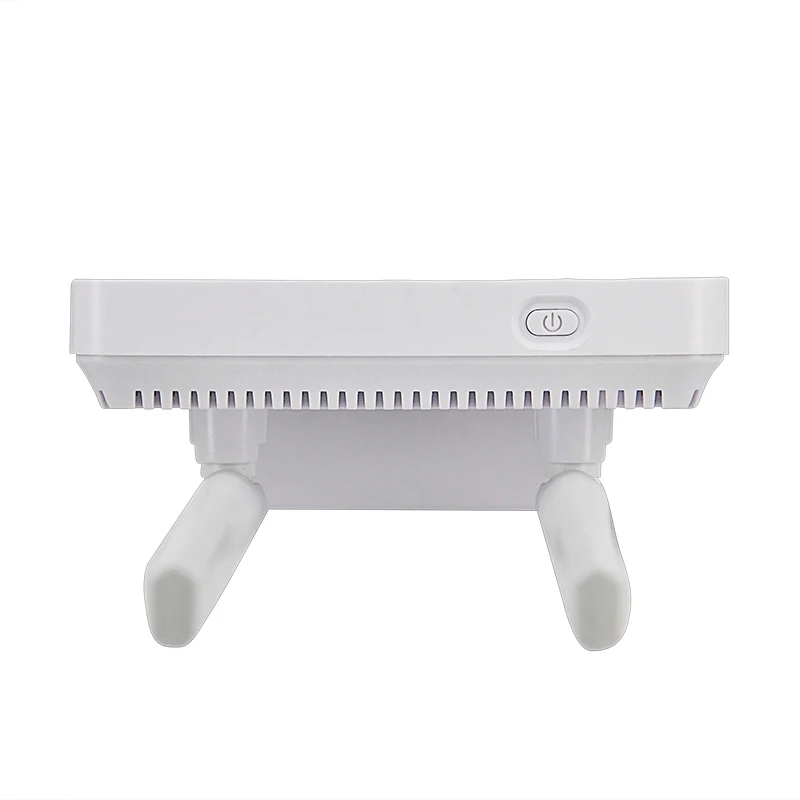
When you’re gaming, the quality and speed of your internet is key to how enjoyable (and competitive) your experience is. And that's where Yoongwin's wireless bridge comes into play. Wireless bridge is a device used along with two or more networks wirelessly, allowing you to place your internet-enabled home gadgets anywhere in your house and connect it to one network.</p>

Wireless bridges and Wi-Fi extenders are two of the most common devices used for increasing the quality of home networks, but they provide different benefits and work in disparate ways. A Wi-Fi extender just increases the range of a Wi-Fi signal originating from your router (offering considerably weaker signal power itself), whereas a wireless bridge is used to connect two devices that are both wired on one end and wireless on the other. This direct link can lead to quicker and more dependable internet speeds compared to a Wi-Fi extender.</p>
A wireless bridge can improve communicating throughout your network. Because your Wi-Fi signals no longer need to pass through walls or other obstacles, a wireless bridge will offer the same reliability as an Ethernet connection (though you may still experience dropped connections if your provider has some sort of outage at their end). Not to mention with a wireless bridge, you could also ease congestion on your Wi-Fi network while enjoying better gaming sessions, online streaming and browsing moments.</p>
As a certified “Specialized, Sophisticated, Distinctive, and Innovative” national-level enterprise with over 3,000 global clients, we provide proven intelligent communication solutions for high-demand sectors such as Rail Transit, IoT, and AI.
With full in-house control of R&D, engineering, and manufacturing across our 3,500+ sqm facility, we ensure consistent quality, optimize costs, and maintain flexible, responsive production from MOQ to large-scale orders.
All products meet international certifications (CE/FCC), supported by stringent testing protocols from raw materials to finished goods, ensuring reliability and compliance for worldwide deployment.
We specialize in tailored communication systems for Rail Transit, IoT, and AI, working closely with clients to develop bespoke products and providing dedicated multilingual support for seamless global collaboration.